
Leading in Today's Diverse Workforce: Embracing the Power of Inclusion
When leaders create an inclusive environment where everyone's perspectives and contributions are valued, individuals feel a sense of belonging and acceptance. This sense of belonging fuels motivation, engagement, and commitment to the team and organization.
Melissa Joy Dalton
6/22/20232 min read
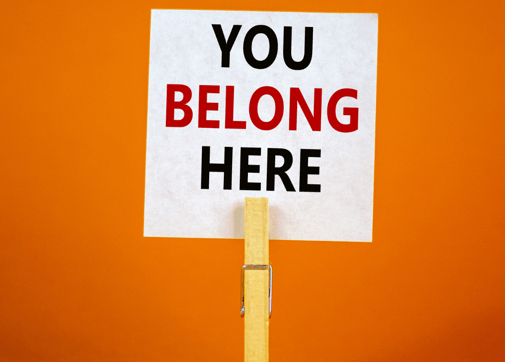
In today's rapidly evolving global landscape, diversity in the workforce has become a driving force for innovation, creativity, and success. As a leader, it is crucial to understand and embrace the power of diversity. In this blog, we will explore what it takes to lead in today's diverse workforce and highlight key strategies for creating an inclusive environment where every individual can thrive.
Cultivate Cultural Competence: Leaders in diverse workplaces must strive to develop cultural competence. This involves learning about different cultures, customs, and perspectives. Take the time to educate yourself about various backgrounds, traditions, and values, and foster an inclusive environment where all voices are valued and respected.
Foster an Inclusive Culture: Building an inclusive culture starts with the leader. Actively promote diversity and inclusion in all aspects of your organization, from hiring practices to decision-making processes. Encourage collaboration and teamwork across diverse teams, and celebrate the unique contributions that each individual brings to the table.
Embrace and Leverage Differences: Great leaders recognize that diversity brings a wealth of perspectives and ideas. Embrace the differences among your team members and create opportunities for them to share their insights. By valuing diverse viewpoints, you can make informed decisions and foster a culture of innovation.
Communicate Effectively: Communication is crucial for leading a diverse workforce. Tailor your communication style to accommodate different cultural backgrounds and communication preferences. Be an active listener, seek clarity, and encourage open dialogue. By promoting transparent and inclusive communication channels, you can bridge gaps and build strong relationships.
Provide Diversity Training and Development: Invest in diversity training and development programs for your team. Offer workshops and seminars that promote cultural understanding, unconscious bias awareness, and inclusive leadership. Equip your employees with the tools and knowledge to navigate diverse situations with empathy and respect.
Lead by Example: As a leader, your actions speak louder than words. Model inclusive behavior by treating everyone with fairness, dignity, and respect. Address any instances of bias or discrimination promptly and assertively. By leading by example, you inspire others to follow suit, creating a positive and inclusive work environment.
Continuously Learn and Adapt: The landscape of diversity is ever-evolving, and as a leader, it is vital to stay informed and adapt your leadership approach accordingly. Continuously educate yourself about emerging trends, challenges, and best practices in diversity and inclusion. Stay open to feedback and be willing to learn from your team members' experiences.
Leading in today's diverse workforce requires a commitment to inclusivity, empathy, and continuous learning. By cultivating cultural competence, fostering an inclusive culture, embracing differences, communicating effectively, providing training, and leading by example, you can create a workplace where diversity thrives and everyone feels valued. Remember, a diverse and inclusive workforce is not only the right thing to do but also a catalyst for innovation and organizational success. Embrace the power of diversity and lead your team towards a brighter, more inclusive future.